
Trains, regional buses and city transit, planned as one journey
Getting around Belgium by train, bus, and tram
Belgium is small enough to cross in a few hours, but the network is not a single system. Here is how the pieces hand off to each other.
Four legs of a single Belgian journey
Two registers, one trip
This page is built around a simple idea: you rarely travel on one system. A realistic Belgian journey is a chain, and the chain is only as smooth as its weakest joint. So instead of listing every operator, we walk through how the parts fit together and where the handoffs usually go wrong.
Use it to judge whether a train, a bus, or a combination makes sense for the trip you actually want to take. The rest of the page follows that chain from the backbone outward, then closes on the practical habits that keep a day on schedule.
The rail network is the backbone
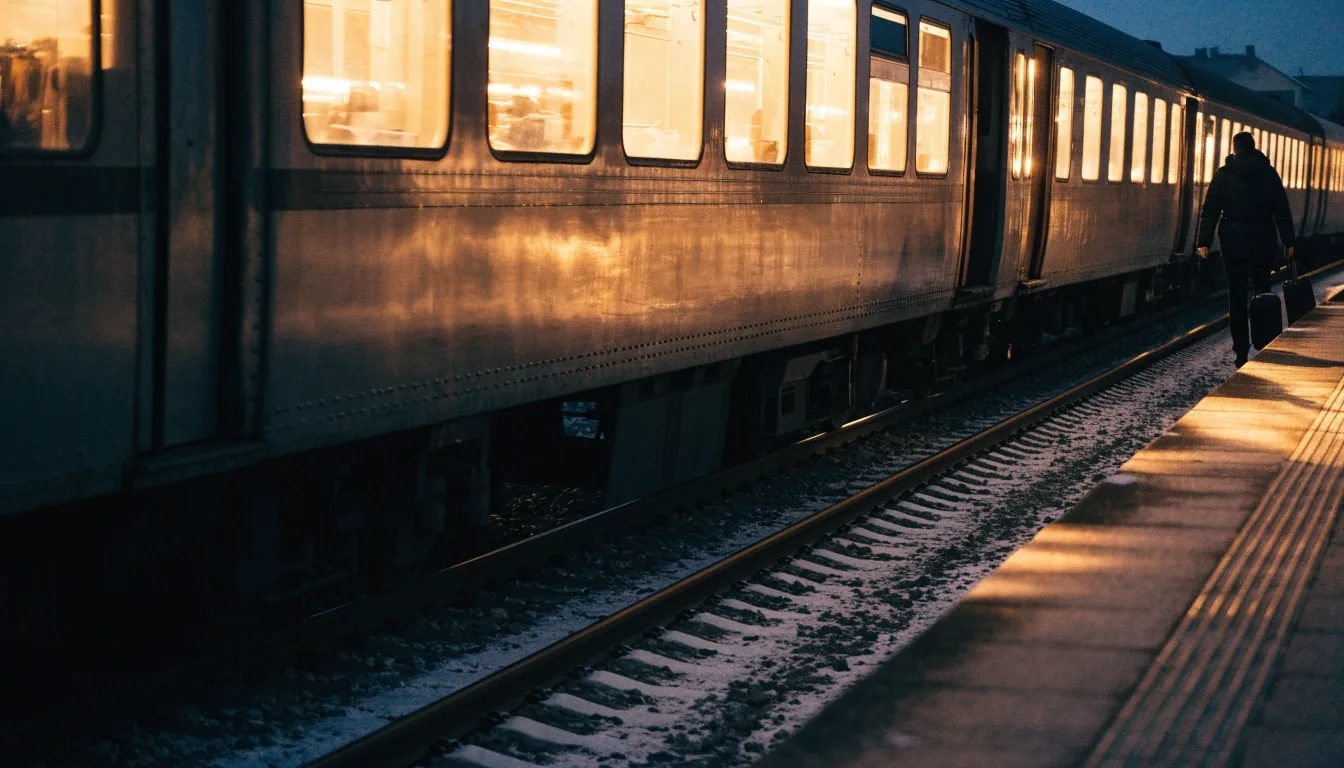
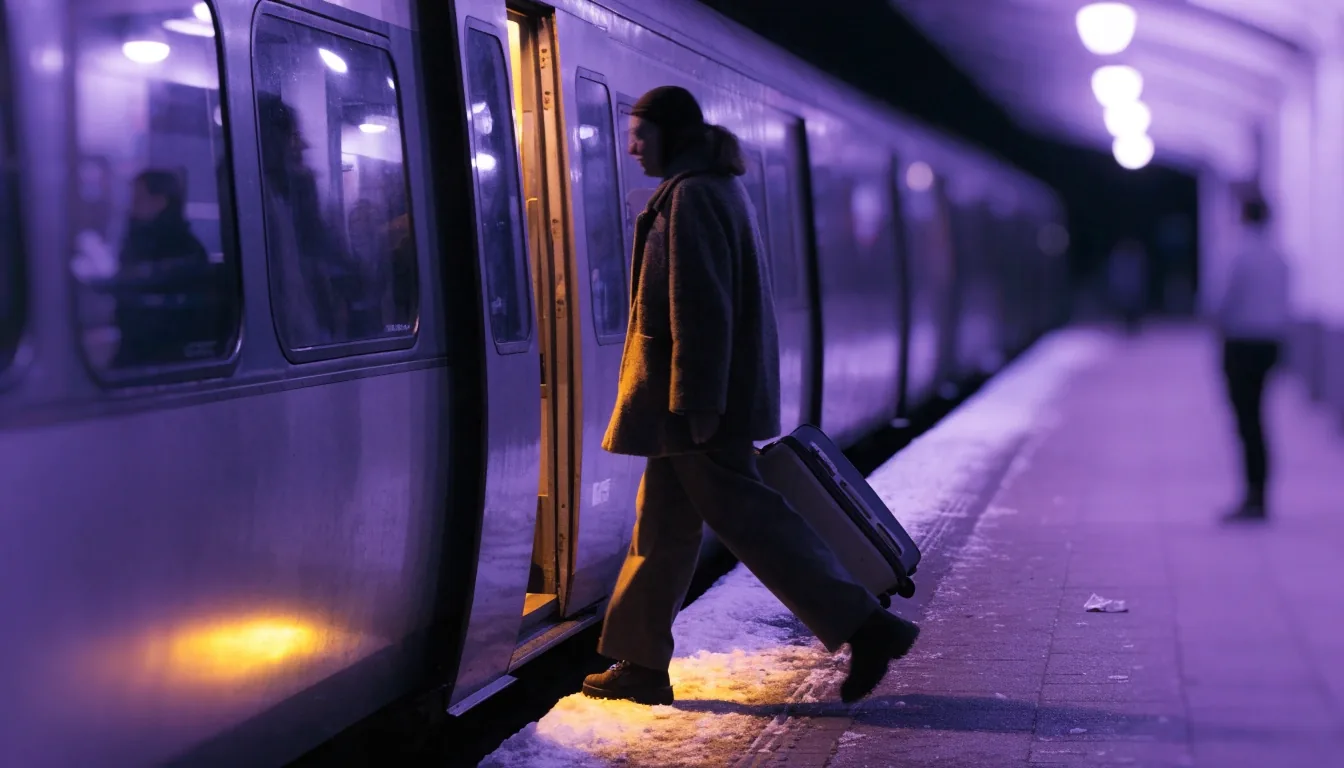
Belgium's intercity rail network connects the major cities and is usually the fastest option between them. Brussels, Ghent, Antwerp, and Bruges sit on well-served lines, and a rail pass can make repeated journeys simpler to manage. Trains run frequently on the main corridors, which means you rarely need to book far ahead.
The network's strength is also its limit. Rail serves the cities well and the countryside less so. If your destination is a small town or a specific address outside a city centre, you'll likely finish the trip on a bus or tram. Planning that final leg in advance is what separates a smooth journey from a confusing one.
When you compare routes, look at the number of changes rather than the headline journey time. A slower direct service often beats a fast one with a tight interchange in a station you do not know.
What the backbone covers
- Frequent departures on the Brussels–Ghent–Bruges and Brussels–Antwerp corridors
- Rail passes that suit several journeys in the same period
- Stations in the centre of most cities, within walking distance of the old town
- Thin coverage on the last few kilometres outside city centres
Where De Lijn fits in
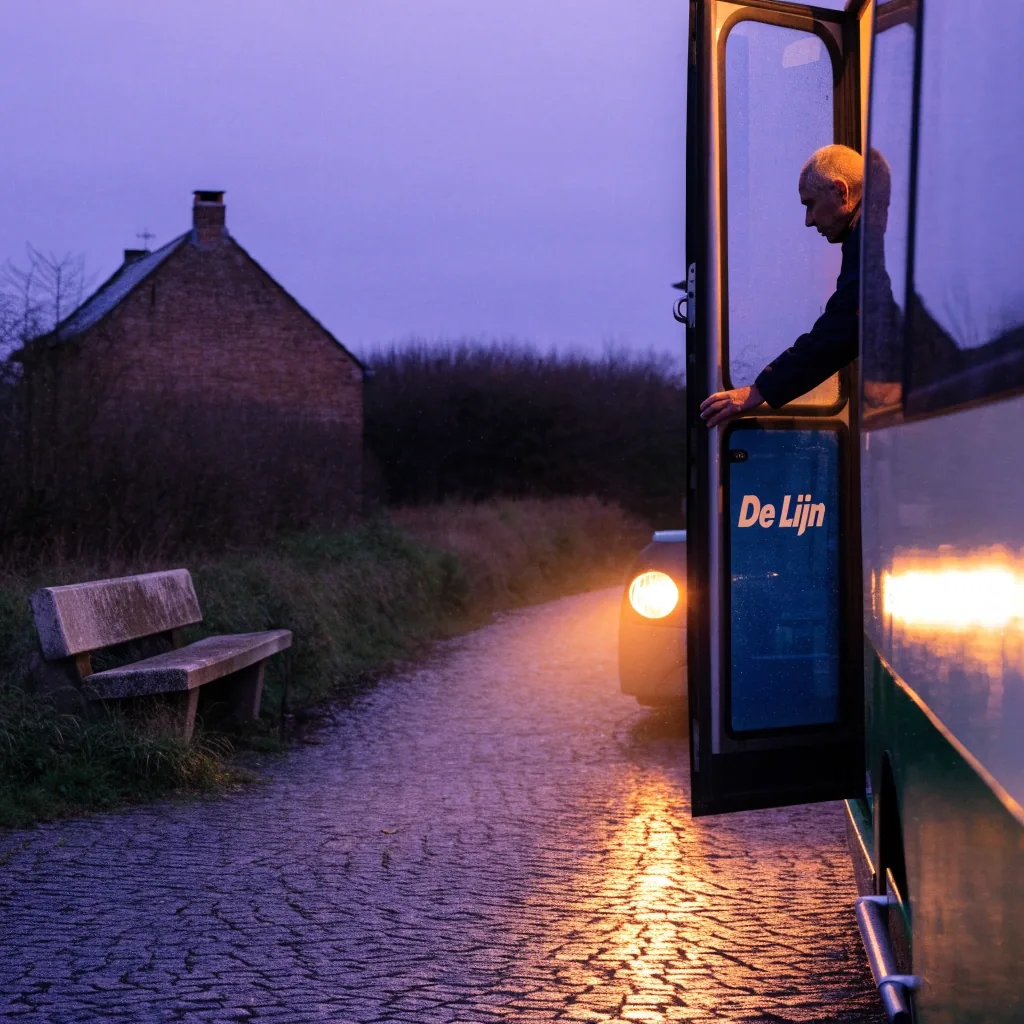
De Lijn runs buses and trams across much of the Flemish region. It's the operator you turn to when a place isn't directly served by intercity rail, and it's often part of mixed-mode trip planning in northern Belgium. A trip might start on a train into a regional hub and finish on a De Lijn bus.
Regional buses are less frequent than city services, so timing matters. A missed connection can mean a long wait in a place with few alternatives. Checking the last service of the day before you set out is a habit worth building, especially outside the larger towns.
It helps to treat the bus leg as the fixed point of your day and build the train leg around it. Trains usually offer several fallbacks; a village bus often offers one.

Reading a Belgian timetable
The departure you care about is rarely the first one. It is the last one that still gets you home.
Brussels runs on STIB-MIVB
Inside Brussels, STIB-MIVB operates the metro, tram, and bus services. It's essential for moving around the capital beyond walking, and it's used heavily by commuters and residents as well as visitors. The metro covers the main axes quickly, while trams and buses fill in the rest.
Visitors often underestimate how far apart Brussels attractions are. The Grand Place and the EU quarter, for example, aren't a comfortable walk from each other if you're short on time. Knowing which metro or tram line links your stops turns a tiring day into a manageable one.
Brussels trips people get wrong
Grand Place to the EU quarter
Looks walkable on a map, is not comfortable with a schedule to keep. Metro between the two saves the day.
North station to the historic centre
Arriving by train means a metro or tram hop, not a stroll through an unfamiliar district with luggage.
Two stops that share a name
Read the full stop name, not just the line number. Direction matters more than you expect.
Platform changes and connections
A platform change is the most common point where a well-planned trip goes wrong. Belgian stations vary in how clearly they mark platforms, and a tight connection leaves little room for error. If your itinerary includes a change, allow more time than the schedule suggests.
The same applies to bus and tram stops, where the stop for one direction may sit across the street from the other. Reading the stop name carefully, not just the line number, prevents most mistakes. When a connection is tight, it's usually better to take an earlier train than to sprint.
A buffer habit worth building
Choosing between train and car
Train usually wins
For most intercity travel, the train wins on speed and avoids the parking problem that comes with driving into a historic centre. You arrive inside the city rather than circling it, and you keep the time you would have spent parking.
The trade-off isn't only about time. Driving into Bruges or central Brussels means dealing with limited parking and restricted zones, while the train drops you within walking distance of the centre. For a short trip, the train usually costs less hassle even if it isn't always cheaper.
When a car earns its place
- You are carrying equipment or stock that makes platform changes awkward
- Your route runs well off the rail lines, into villages or industrial estates
- You need to reach several sites in one day with no fixed timetables to meet
Timing your day around the network
Service frequency drops in the evening and on weekends, particularly on regional routes. A trip that's easy at midday can become difficult after the last bus. If you're planning a day trip, work backward from the return service rather than forward from your departure.
This is where a rail pass and a bit of advance planning pay off. Knowing your last realistic connection home lets you enjoy the day without watching the clock. It also tells you whether an overnight stay makes more sense than a rushed return.
Start from the return leg
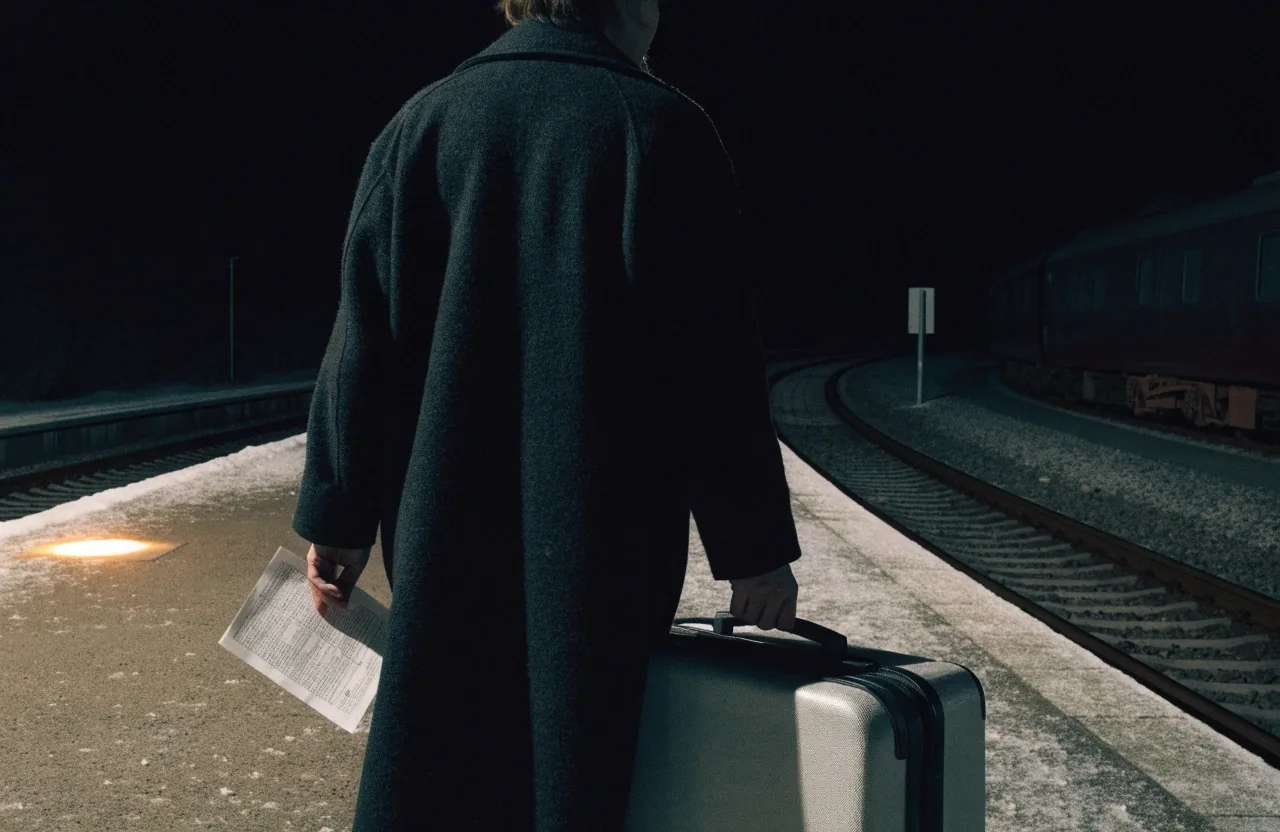
The last service home shapes the whole day. Fix it first, then fill in the middle.
Weekends behave differently
Regional routes thin out. A connection that works on Tuesday may not exist on Sunday.
Day trips by rail
Brussels as a base
Brussels works as a base for day trips because the rail connections to Ghent, Bruges, and Antwerp are straightforward. Each city is reachable and walkable from its station, which keeps the logistics simple. That's part of why the Brussels-plus-day-trips pattern is so common.
Bruges
The classic day trip. Its popularity means the historic centre fills quickly, so an early start pays off. The station is a short walk from the centre.
Ghent
A similar historic character at a different pace. Quieter streets in the morning and easy tram hops once you are in town.
Which one suits you depends on whether you want the postcard version or a quieter one, and both are easy to reach without a car. If you have time for two, the Brussels-plus-day-trips pattern handles both without changing hotels.
Browse city guidesWhen something goes wrong
Delays and cancellations happen on any network. The practical response is to know your alternatives before you need them: a later train, a different route, or a bus that covers the same corridor. Having one backup option turns a disruption into an inconvenience rather than a crisis.
Staff at larger stations can usually point you to the next connection, and apps help for the rest. The important thing is not to commit to a single plan when a route has a known weak point. A little flexibility goes a long way on a small, dense network.
Keep one backup per leg

Questions we hear before a Belgian trip
Do I need to book Belgian intercity trains in advance?
On the main corridors, trains run frequently enough that you rarely need to reserve far ahead. The exception is a specific departure you cannot miss, where booking earlier gives you a guaranteed seat and a fixed time.
How much time should I leave for a platform change?
More than the schedule suggests. If you are changing with luggage or in a station you do not know, take the earlier train rather than the tight connection. On a dense network the earlier train usually exists.
Can I reach a village without a car?
Usually yes, by combining a train to a regional hub with a De Lijn bus for the final stretch. The constraint is frequency, not reach. Check the last service of the day before you commit to the trip.
Is a rail pass worth it for a short visit?
It depends on how many separate journeys you plan. A pass earns its keep when you take several city-to-city trips in one period; for one return trip, single tickets are simpler to manage.
What if I miss the last bus of the day?
Have a fallback ready before it happens: a later train to a different hub, a taxi from the nearest town, or an overnight stay. This is exactly why we suggest planning backward from the return service.
Where to go next
Transport is one piece of a Belgian trip. Two others matter just as much: how you pay and stay connected, and what a specific city actually asks of your day. Both are covered in depth elsewhere on the site.
Talk to us before you travel
Nordic Vantage Solutions
Raveschoot 22, 9080 Lochristi, Belgium
Written for English-speaking visitors and small businesses planning trips across Belgium. Timetables, frequencies and last-service times change with the season, so confirm the specific connection you intend to take before you travel.