
Plan Belgium with fewer surprises
Rail, buses, contactless payments, eSIMs and city itineraries — explained plainly, with no booking pressure.
Two questions decide most Belgium trips
Most people arrive in Belgium with two questions: how do I move between cities, and how do I pay for things once I am there? Both have workable answers, but they depend on details that rarely make it into a short travel summary. This site is built for English-speaking visitors and small-business operators who want those details in one place, without booking links or sales pressure.
You will find practical guidance on trains, regional buses, contactless payments, eSIM options and city itineraries, plus a section on Belgian invoicing rules for anyone setting up a small operation. We are based in Lochristi, a municipality in East Flanders just outside Ghent. That location shapes what we cover: Brussels, Bruges, Antwerp and Ghent are all reachable within a day, so the transport and city guidance reflects routes we can describe from the ground rather than from a brochure.
We do not run tours, sell tickets or process bookings. The site exists to explain how the pieces fit together, so you can plan a trip or a small business setup with fewer surprises waiting at the other end.
What you can compare here
- Rail against regional bus and tram Getting around
- Card and wallet acceptance against cash Payments
- Airport transfer choices by arrival time Transport
- Peppol and UBL readiness in accounting tools Invoicing
Nothing on this site is a booking link. Every page is written to explain a topic, not to push a purchase.

The ground we write from
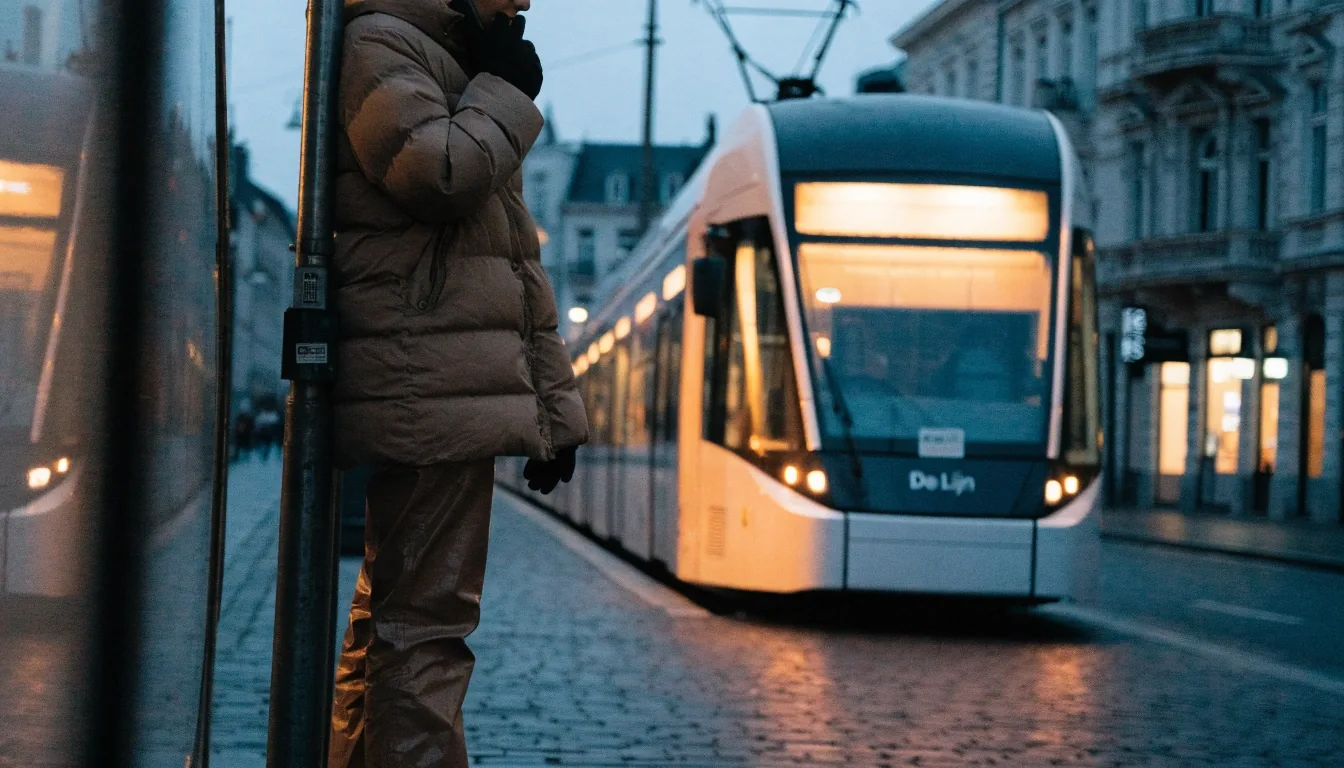
From Lochristi, a Ghent tram stop and a Flanders depot are an ordinary evening, not a day trip.
Start with how you will move
Belgium's rail network is dense and usually the fastest way between major cities, but it is not the only option. De Lijn buses and trams cover much of Flanders, including towns and villages that sit off the intercity lines. STIB-MIVB handles Brussels itself, with a metro, tram and bus network that most visitors underestimate until they try to walk across the city. Planning a realistic door-to-door trip means knowing which operator covers which leg.
If you are arriving at Brussels Airport, the onward connection matters more than the flight. Rail and road links run from the airport to central Brussels and to other cities, and the choice between them depends on your arrival time and luggage. A late landing changes the calculation. The getting-around guide walks through platform changes, rail passes, and when a regional bus beats a train.
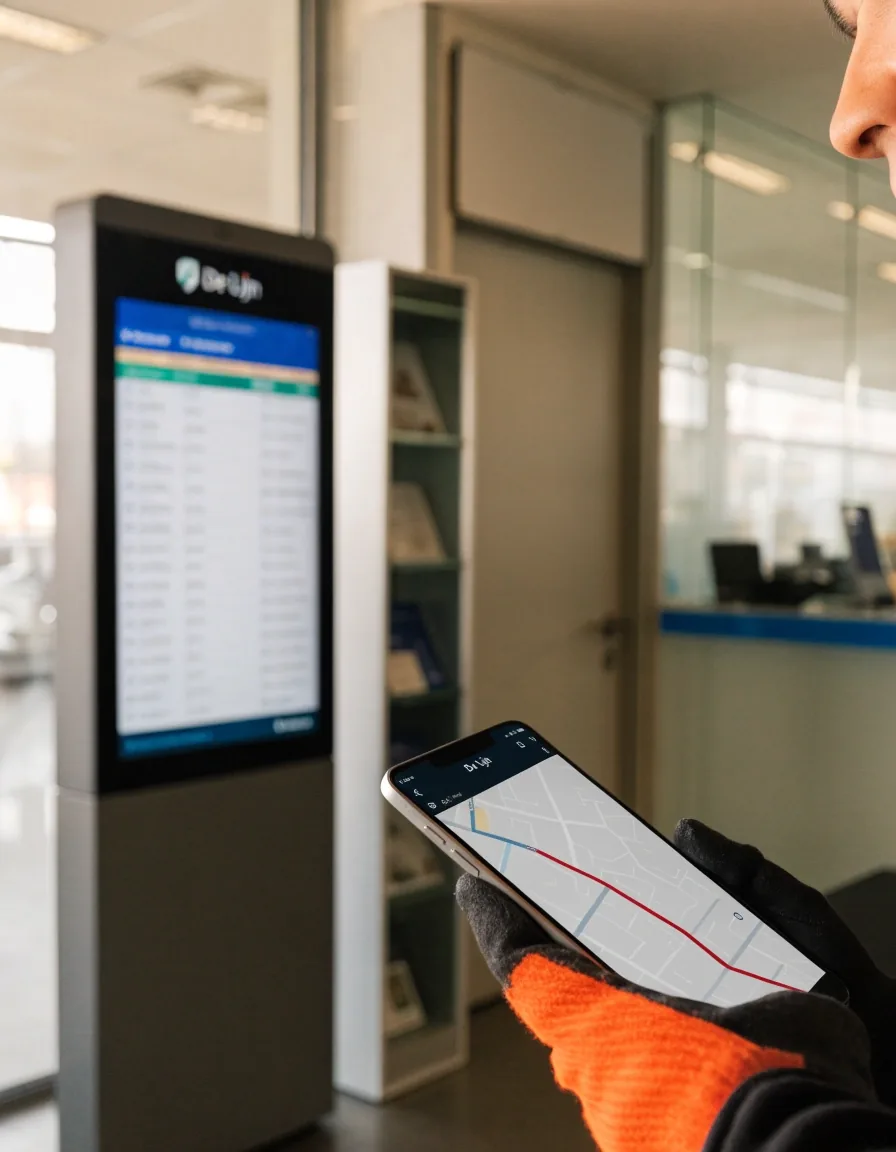
Operators worth knowing before you book a route
Dense coverage between Ghent, Brussels, Bruges and Antwerp, with frequent departures through the day and the shortest city-centre to city-centre times.
Buses and trams reach towns and villages off the rail lines. Useful for the last stretch of a trip, and often cheaper than adding a taxi.
Metro, tram and bus across the capital. The network covers more of Brussels than the centre alone, so it usually beats walking between districts.
Rail and road links both run from Brussels Airport into the city and onward. Which one suits you depends on your arrival time and how much luggage you are moving.
Paying without friction
Contactless cards and mobile wallets work widely across Belgium, from supermarket checkouts to ticket machines. That said, widely is not everywhere. Some smaller establishments still prefer cash, and a few machines only accept certain card types. Knowing where the gaps are saves awkward moments at the counter.
We explain how contactless payment, mobile wallets and card acceptance behave in practice, and where carrying a small amount of cash still makes sense. For anyone staying longer, the connectivity side matters too: eSIM options and roaming rules decide whether your phone works the way you expect on day one. Both topics are covered together because in daily use they overlap.
See payments and connectivity
Building a city break that fits
The guides give orientation rather than a checklist, so you can decide how much time each place deserves.
Browse city guidesBrussels works well as a base. It has the Grand Place, the museums and the EU quarter, and it connects by rail to Ghent, Bruges and Antwerp for day trips. Bruges is the classic inclusion in a three- to five-day itinerary, though its popularity means the historic centre fills quickly. Choosing between a rushed photo stop and a slower overnight stay is a real decision, not a trivial one.
Rail connections to Ghent, Bruges and Antwerp make it the practical starting point for a short trip, with the Grand Place and museum quarter within walking distance of each other.
The historic centre fills quickly, so the honest trade-off is a quick stop against an overnight stay that lets you see the canals after the day visitors leave.
Both sit within easy rail reach of Brussels. Antwerp suits a station-and-centre day; Ghent rewards a slower walk between its canals and its old core.
If your time is limited, the guides flag which Brussels attractions are worth a short visit and which ones reward a longer stay instead of a rushed circuit.
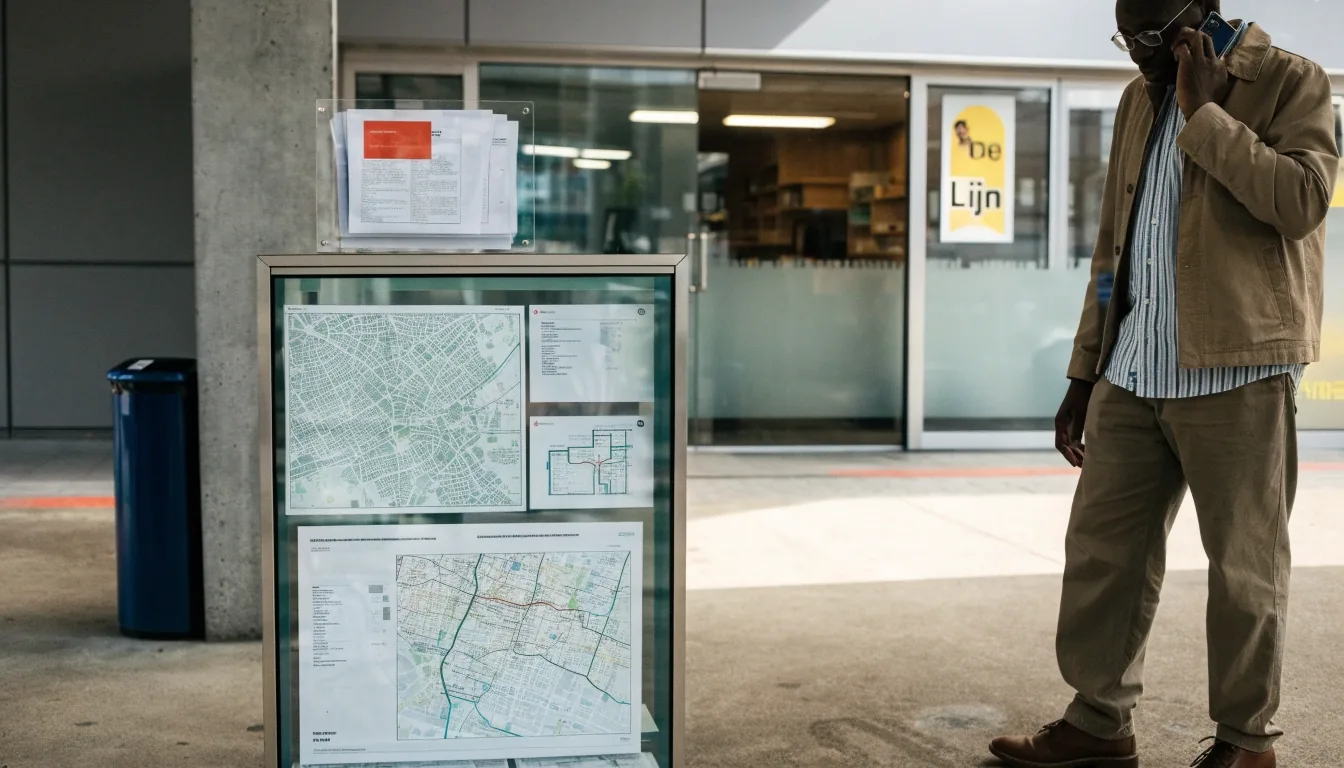
A rushed photo stop and a slower overnight stay are different trips. The guides are written so you can tell which one you are planning.
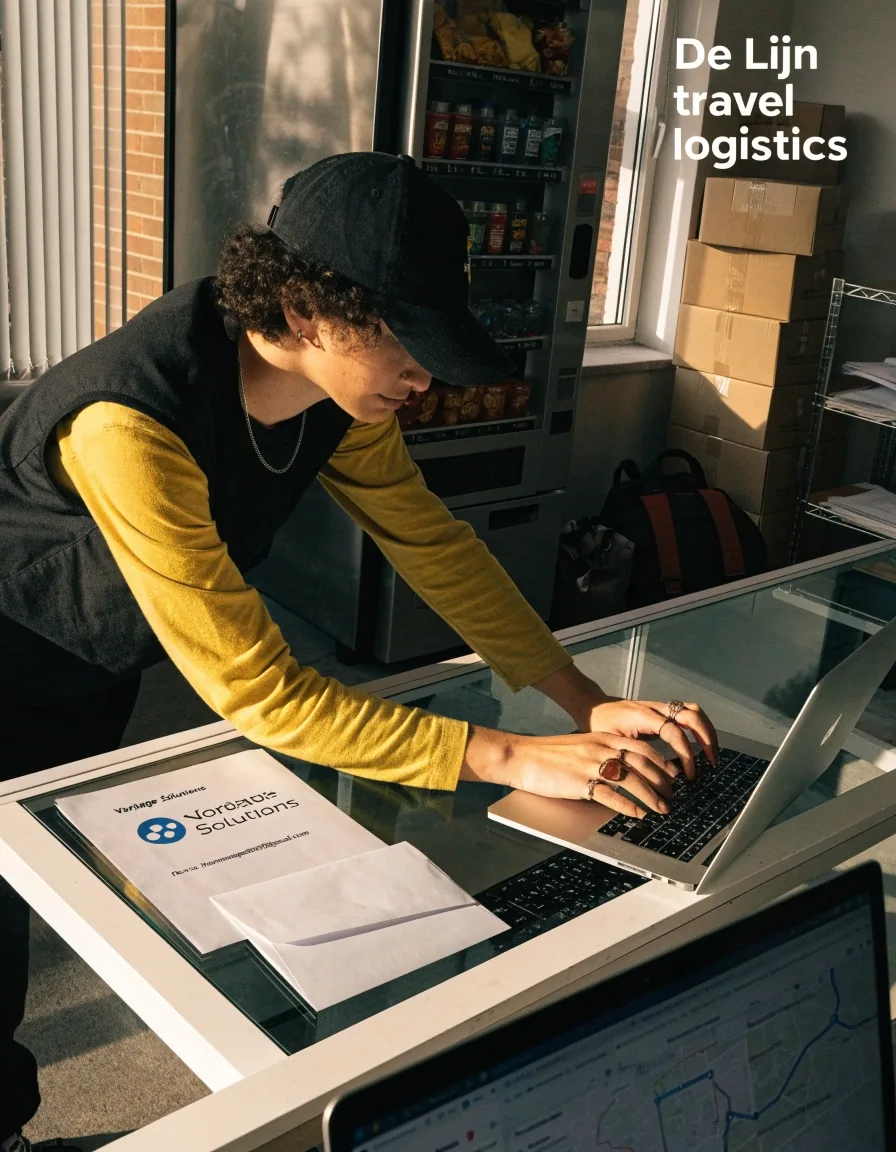
For small businesses and freelancers
Belgium is moving toward structured e-invoicing, and that changes what small businesses and freelancers need from their accounting tools. Peppol and UBL formats are central to the shift, and the 2026 deadline is the reference point most Belgian SMEs are working toward. Accounting software that supports these formats is no longer optional for many operations.
We look at how established Belgian tools handle this, including Sage BOB50 and WinBooks, and what readiness actually means in practice. WinBooks, for example, exists in both on-premise and cloud variants and has been updated for Peppol and UBL compliance. That is the kind of detail that matters when you are choosing software or preparing for a deadline.
Small business and e-invoicingWhat this site is not
We do not sell tickets, tours or software. There are no affiliate links, no bonus offers and no booking engine. Every page is written to explain a topic, not to push a purchase.
That also means we can be direct about limits. Some questions do not have a single right answer, and we say so. If a route depends on your arrival time, or a payment option depends on the merchant, we describe the range instead of pretending there is one rule.
How we keep it current
Transport schedules, payment acceptance and compliance deadlines change. We review pages when the underlying facts shift, and we note when something is subject to change rather than presenting it as fixed.
If you spot something that is out of date or wrong, the contact page is the fastest way to reach us. Corrections from people who have actually travelled or operated in Belgium are more useful than anything we could guess at.
Contact usQuestions we get asked first
Four answers that come up most often from people planning a first trip or a first invoice.
What is the easiest way to get from Brussels Airport to the city center?
Rail and road links both connect the airport to central Brussels and to other cities. The better choice depends on your arrival time and luggage. The getting-around guide explains how to compare them.
Is it better to travel around Belgium by train or rent a car?
For most intercity trips, rail is faster and avoids parking. A car helps for places off the rail lines, where De Lijn buses and trams also serve parts of Flanders. The right answer depends on your route.
Do contactless cards and mobile wallets work widely in Belgium?
Yes, contactless and mobile wallets are accepted widely, from supermarkets to ticket machines. Some smaller establishments still prefer cash. The payments page covers where the gaps are.
What changed for Belgian businesses after the Peppol e-invoicing requirement?
Belgium is moving toward structured e-invoicing, with Peppol and UBL formats central to the shift and 2026 as the reference deadline. The small-business page explains what readiness means for SMEs and freelancers.
A note on scope
This is a resource, not a booking service or a legal advisor. For invoicing and compliance, we explain the framework and the tools; we do not provide tax advice for your specific situation. For travel, we describe how systems work, not what you should book.
Where a decision depends on your circumstances, we try to make the trade-offs clear so you can choose. That is the whole point of the site: fewer surprises, better-prepared trips, and a clearer picture of what running a small business in Belgium involves.
Where we are
Nordic Vantage SolutionsRaveschoot 22
9080 Lochristi, Belgium
Monday to Friday, 9:00 AM – 6:00 PM. Reach us by phone or email, or send a correction through the contact page.
Contact usPick the question you are actually asking
If you are still deciding where to start, the four routes below cover almost every first visit and every first invoice. Read one, or read them in order.